



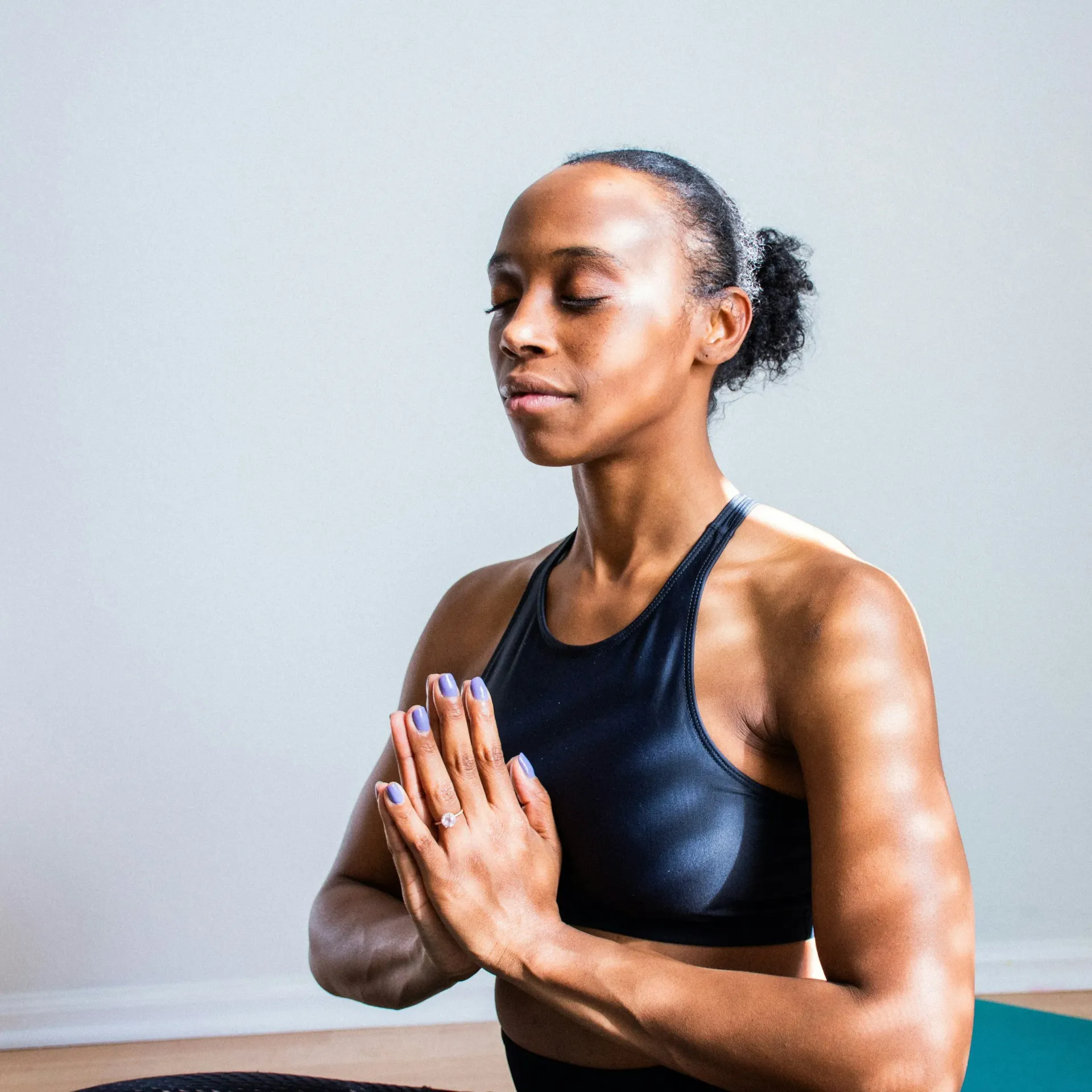





Managing Anxiety

Alexis Campbell • February 3, 2025

Anxiety is something that nearly everyone experiences at some point in their life. It’s that unsettling feeling you get when facing a stressful situation — that rush of nervous energy or the tightness in your chest before an important meeting, a test, or even a tough conversation. While anxiety can help us stay focused and make quick decisions, it becomes problematic when it starts interfering with your daily life and your overall well-being.


So, when does anxiety cross the line from being a natural emotion to a more serious mental health concern? It may be time to seek support if your anxiety:

  • Disrupts your daily routine
  • Feels intense or relentless, even in situations where it seems disproportionate
  • Leads to avoidance of certain people, places, or activities
  • Causes significant distress or is difficult to manage
  • Is overwhelming, leaving you feeling stuck or indecisive


Everyone experiences anxiety differently. For some, it might show up as physical symptoms — like a racing heart or sweaty palms. For others, it could be in the form of intrusive thoughts, difficulty relaxing, or an overall sense of dread. In severe cases, anxiety can create a sense of self-doubt and indecision, almost like you’re on a train journey that’s lost its tracks. The destination is unclear, and every decision seems like a potential derailment.


Think about it this way: imagine you’re the conductor of a train, and the journey represents your life’s goals. The track is usually smooth, but when anxiety strikes, unexpected delays or obstacles pop up. You may feel pressure to make fast decisions or, conversely, be paralyzed by the fear of making the wrong one. So, what happens when the train seems stuck, and you don’t know how to regain control?


Navigating Anxiety Through Therapy: A Path to Inner Healing

This is where therapy, especially in a group practice focused on healing and personal growth, can play a crucial role. Group therapy provides a supportive, understanding space where you can work through anxiety with others who are experiencing similar challenges. It’s not just about coping with anxiety; it’s about transforming how you interact with your fears and the thoughts that drive them.


At a mental health therapy group practice, the focus isn’t just on managing symptoms — it’s about experiencing meaningful change. Inner healing isn’t a quick fix but a process of reconnecting with your true self and learning how to regulate your emotions. Group therapy offers a unique blend of shared experiences, guidance from skilled therapists, and tools for personal growth. Through structured conversations and exercises, participants begin to understand the root causes of their anxiety, recognize their thought patterns, and explore healthier ways to respond to stress.


How do we overcome our fears and doubts from Anxiety?


“If you can't fly then run, if you can't run then walk, if you can't walk then crawl, but whatever you do you have to keep moving forward.” 


― Martin Luther King Jr.

Practical Steps to Manage Anxiety

If you’re finding it hard to manage your anxiety on your own, here are some strategies you can try. These steps not only help to alleviate symptoms in the moment but can also promote long-term emotional healing:


  1. Acknowledge Your Feelings
    It’s okay to feel anxious. Just recognizing that your anxiety is a normal human experience can take a lot of the pressure off.
  2. Breathe and Slow Down
    Pause and take a few deep breaths. Give yourself space to process your emotions instead of letting them overwhelm you. This simple act can bring clarity.
  3. Seek Support
    Talking to a trusted friend, family member, or therapist can make a huge difference. A mental health professional, in particular, can offer coping strategies and insights tailored to your needs.
  4. Challenge Negative Thoughts
    Anxiety often feeds on irrational or exaggerated fears. In group therapy, participants learn how to reframe negative thoughts by focusing on facts rather than assumptions, which can shift your perspective on anxiety.
  5. Prioritize Self-Care
    Engage in activities that help you relax and feel grounded, whether that’s journaling, exercising, or simply taking a walk outside. Regular self-care is a powerful way to build resilience against anxiety over time.
  6. Focus on Inner Healing
    Instead of just “surviving” anxiety, explore ways to heal and grow from it. Therapy groups are a great way to cultivate a deeper understanding of yourself, build new coping mechanisms, and foster inner peace.


Life Transitions & Anxiety 

Life transitions can significantly exacerbate symptoms of anxiety, and this can affect individuals across all ages, backgrounds, and identities. However, certain transitions — like children moving into adulthood — can make young people especially vulnerable to heightened anxiety and other mental health challenges. These periods of change bring new pressures and uncertainties, which can amplify feelings of stress and overwhelm.


Anxiety Affects Children


Trauma can have a profound impact on children, leading them to develop specific fears or specific disorders. One effective treatment for childhood anxiety is Cognitive Behavioral Therapy (CBT). CBT helps children understand the root causes of their anxiety and equips them with practical tools to manage it. By recognizing triggers and identifying negative thought patterns, children can learn to challenge unhelpful beliefs and build healthier coping mechanisms. Reassuring your child that they are not alone in facing these struggles is essential in supporting their journey toward healing.

Anxiety in Adulthood


Older adults may experience more frequent and overwhelming symptoms of anxiety, which can sometimes lead to a diagnosis of specific anxiety disorder. This can significantly impact daily life, affecting sleep, emotions, and concentration. It’s common for people to worry about the unknown and anticipate negative outcomes.

Quick Tips for Managing Anxiety

  • What are the signs of anxiety?

    Your heart beats faster and your pulse rate increases. Your breathing accelerates or you may feel short of breath.


    Other signs or symptoms include:

    • Dizziness
    • Muscle Tension
    • Trembling or shaking
    • Dry mouth
    • Sweating
    • Stomachache
    • Headache
  • How can we help ourselves or others going through anxiety?

    • Set boundaries 
    • Prioritize yourself and your personal needs
    • Ask for help from those within your support system.
  • How do we treat anxiety in therapy?

    • Cognitive therapy is a therapeutic approach that focuses on helping individuals identify and change the thought patterns that contribute to their fears and negative emotions. By addressing these unhelpful or distorted thoughts, cognitive therapy aims to shift the way a person perceives and reacts to stressors, ultimately promoting healthier thinking and emotional well-being.
    • Exposure therapy is a therapeutic technique that helps individuals gradually and safely confront their fears in a controlled environment, allowing them to face anxiety-inducing situations without avoiding them. The goal is to reduce the emotional impact of these fears over time by exposing the person to them at their own pace, helping them build confidence and resilience in managing their anxiety.
    • Behavioral therapy is a therapeutic approach that focuses on addressing a person's specific concerns by examining the behaviors that contribute to their anxiety or distress. It aims to help individuals develop healthier responses to these behaviors. This therapy can be conducted in a group setting with others who have similar struggles or individually, depending on the needs of the patient. The goal is to help individuals break negative patterns and replace them with more adaptive, positive behaviors.
    • Patients can be prescribed medication to treat anxiety.
    • Changes in lifestyle and daily habits.

Grounding Ourselves

Deep Breathing


Place one hand on your chest and the other on your stomach. Take a deep breath in, letting your stomach rise. Then, exhale slowly, allowing your stomach to fall. Try to keep your chest still. Breathe at your own pace. This technique can help prevent hyperventilation and dizziness.

To further soothe your mind, you can try visualization or meditation. If you're struggling to calm down, it can be helpful to have someone you trust nearby. They can guide you through breathing exercises and offer comfort and support.

Talk to Someone


When you’re feeling overwhelmed, turn to a trusted friend who’s always been there for you. Reaching out can help lighten your load, as they’ll listen without judgment and offer their support. Lastly, consider consulting with a therapist or psychiatrist in your area who can offer the guidance you need.


Walk


Taking a walk can be a gentle way to boost your well-being. If you don’t have a furry companion, consider finding a walking buddy or joining a local walking group. Even a short, leisurely stroll can help calm your mind and provide a much-needed break from your daily routine.

Music


Listening to music can be a powerful way to lift your spirits and find inner peace. Whether you prefer your favorite tunes on the radio, a calming meditation playlist, or a podcast, music can help you relax, refocus, and find joy. So, put on your headphones, adjust the volume to your liking, and let the music guide you towards a more peaceful state of mind.

Benefits of Treating Anxiety - “Asking for help or speaking to someone can ease the weight off your shoulders and mind.”


The Takeaway

Experiencing anxiety is part of being human. It’s how we respond to it that makes all the difference. Therapy, particularly in a group practice focused on healing, can offer powerful tools for not only managing anxiety but also for experiencing lasting change. With support, self-awareness, and a willingness to transform your relationship with anxiety, you can regain control of your journey — just like a conductor taking the reins of a train, navigating through bumps in the track with confidence and clarity.


Remember, it’s okay to ask for help and take small steps toward healing. By doing so, you can reclaim your sense of balance and live a more fulfilling life free from the weight of overwhelming anxiety.

By Alexis Campbell May 17, 2025
For many adults, life is a constant balancing act—juggling demanding careers, raising children, and often caring for aging parents. When bipolar disorder enters the picture, the pressures can become overwhelming. Yet with the right strategies and support, it’s entirely possible to manage symptoms, safeguard your mental health, and find stability across all areas of life. Bipolar disorder is a mental health condition characterized by intense mood swings—emotional highs (mania or hypomania) and lows (depression). These shifts in mood, energy, and activity levels can significantly affect daily functioning, relationships, and work. Living with bipolar disorder can feel like riding a rollercoaster—soaring during manic episodes, only to plunge into emotional crashes that may seem to come without warning. If you’re finding it difficult to navigate these highs and lows, know that you’re not alone. Millions of adults live with bipolar disorder, and with the right combination of treatment—such as therapy, medication, and strong support systems—stability, healing, and a fulfilling life are absolutely within reach. 

By Alexis Campbell April 11, 2025
Relationships are one of the most meaningful aspects of our lives, and when things are going well, it can feel like we’re on top of the world. However, maintaining a healthy, long-lasting relationship requires work, communication, and, at times, the willingness to seek outside help. Couples therapy can play a vital role in improving communication, resolving conflicts, and navigating challenges that arise over time. Whether a couple is facing a rough patch or wanting to strengthen their bond, therapy can provide crucial support to help them thrive together. 

By Alexis Campbell March 3, 2025
In today’s fast-paced world, many professionals in corporate and tech industries, teachers, and frontline workers often prioritize their careers, responsibilities, and obligations above all else. While these commitments are admirable, they can sometimes lead to neglecting our emotional and relational needs. One crucial aspect of personal and professional well-being is understanding how our attachment styles impact our relationships—whether with colleagues, family, or romantic partners.

By Alexis Campbell May 17, 2024
Therapy also known as psychotherapy or counseling is a collaborative process between you and a licensed behavioral health professional. During this collaborative process, you are welcomed into a safe and relatable space to identify and treat ways of thinking, behaving, and a variety of mental health conditions. Although this process is collaborative, please be sure to keep in mind that you are in the driver seat of your own healing. Give yourself permission to be honest and transparent about what led you to therapy and the areas in your life that have been challenging. I often use the analogy of having one foot in the past and one foot in the present to describe the process of therapy. You can talk about a variety of things such as your childhood, romantic relationships, familial relationships, transitions, grief and loss etc. in your first session. Give your therapist as much information as possible as it helps your therapist find ways to support you throughout your process. And yes, the thought of talking to a complete stranger about your life can be scary and completely unheard of, BUT do not let that stop you from getting the healing you deserve! Therapist understand how challenging this process can be, so before you talk yourself out of coming I would encourage you to at least give it a try. 

Share this article